Why MaxLTV Exists
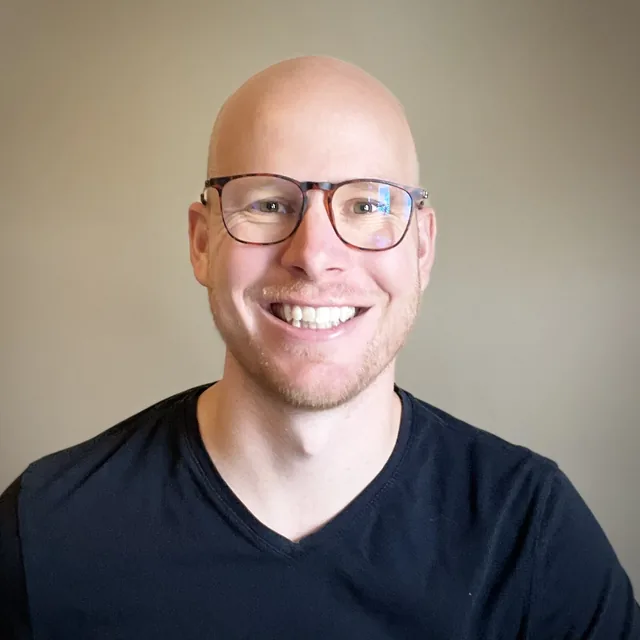
Steven Lee Anderson
At Dollar Shave Club I spent a lot of time on one boring problem: credit cards fail. About 7% of credit card transactions fail globally, and for many subscription brands the rate is much higher. When you don't recover a failed payment, you don't lose one order. You lose every order that customer would have placed after it.
Later I was consulting for a health brand and found the same leak. Same stack, same problem, no engineering team to fix it. So I built the fix. About four months later it was running in production. That became MaxLTV.
I've spent nearly 15 years in ecommerce, most of it on subscriptions and retention:
- Operator: Director of Product at Dollar Shave Club, Director of Ecommerce at Hologram Sciences, and ran ecommerce and marketing at Rishi Tea.
- Founder: Built Snapify, a branded photo booth business, before photo booths were everywhere.
- Agency: Managed client projects at Lightburn in Milwaukee.
I still work directly with subscription brands on retention, so MaxLTV gets built from problems I see in real accounts.