Monthly Tests to Improve Retry Logic
Each month the model reads your recoveries and proposes experiments. Each runs as a change set against your live configuration: new failures split between control and variant, one test at a time.
Implement measurable workflows, not one-off campaigns, to continuously optimize your payment recovery using AI-powered features and expert level support.
A failed payment is a sequence, not a moment. MaxLTV runs all of it, so each piece acts on what the others have already done.
More in Your Dunning Emails and Retry Logic Belong Together.
01 · AI-powered retry logic
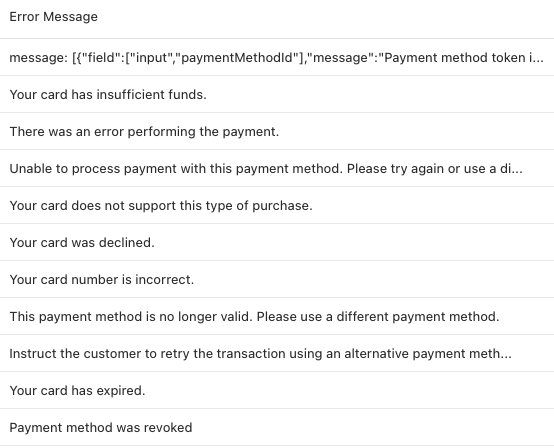
Every decline carries a reason. We read it and treat it accordingly, instead of charging the same card on the same clock until the sequence runs out.
02 · Dunning communication
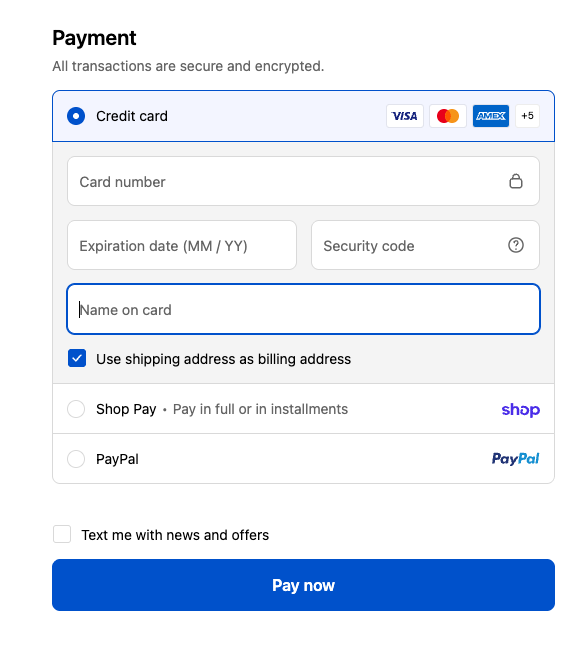
The fastest recovery is the customer fixing the card themselves. Email and SMS both run from this layer, and everything here exists to make that easy and worth doing now.
Read our dunning best practices, including the 30-day sequence
MaxLTV can test offers to optimize your recovery rates
“10% off if you update in the next three days”
“Save $5 if you update your card in the next 24 hours”

03 · Website notifications
Email is one channel and it is crowded. A subscriber who ignored three emails still visits your store, and when they do they are already engaged and already signed in.
04 · Decline intelligence
Top AI models classify declines, look at user behavior, and propose what to try next. Every change is queued for testing and approved by a human.
Each month the model reads your recoveries and proposes experiments. Each runs as a change set against your live configuration: new failures split between control and variant, one test at a time.
Flows run variants side by side. Sends, opens and clicks sit beside recovery rate, so when recovery moves you can tell whether the timing changed or the message did.
A suggested rule arrives switched off; until someone enables it, that decline is handled at full price only. Experiments start when a person approves and land when a person adopts. The model can never reclassify a decline, disable a rule or reorder your table.
Most retry logic runs on a fixed schedule that ignores why the charge failed. MaxLTV classifies every decline and places the retry when that card is most likely to authorize, falls back to the other payment methods already on file when the primary card is dead, and retries at a reduced amount after repeated declines.
Native dunning retries on a fixed schedule and sends one email. MaxLTV manages the retry itself, placing it when the card will actually authorize, then personalizes every message to the subscriber, prompts them on your site, and reports recovery split by retries versus card updates.
No. MaxLTV installs as a Shopify app and runs on top of your subscription platform, with no migration and no checkout change. MaxLTV takes over retry timing and subscriber messaging; your platform keeps managing the subscriptions themselves.
It classifies declines it has not seen before and proposes rules and experiments. It does not change your configuration. A rule the model suggests arrives switched off until a person enables it, an experiment runs only once a person approves it, and the change set is written into your live rules only when a person adopts it. The model cannot reclassify a decline type, disable a rule or reorder your rule table at all.
Brands already offer a save when a customer clicks cancel. A subscriber about to be auto-cancelled for repeated payment failures is just as close to churning and usually gets nothing but reminders. The discount is offered late in the sequence, only to subscribers who have not acted, tied to updating the card, and with a short window so it stays an incentive rather than an entitlement.
Bring your failed-payment export to the free churn audit. We will show you which failures are recoverable, what they are worth, and which surface is leaking most.
Background reading: dunning best practices and how to measure recovery rate. Compare: vs ChurnBuster, vs FlyCode. By platform: Recharge, Skio, Stay.ai, Ordergroove.